Consuming Time
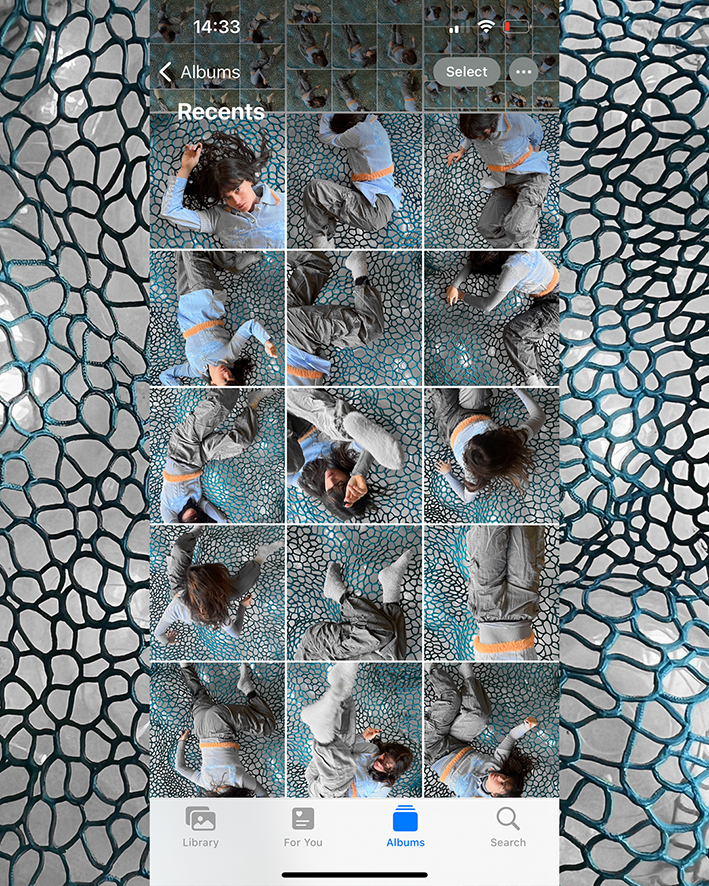
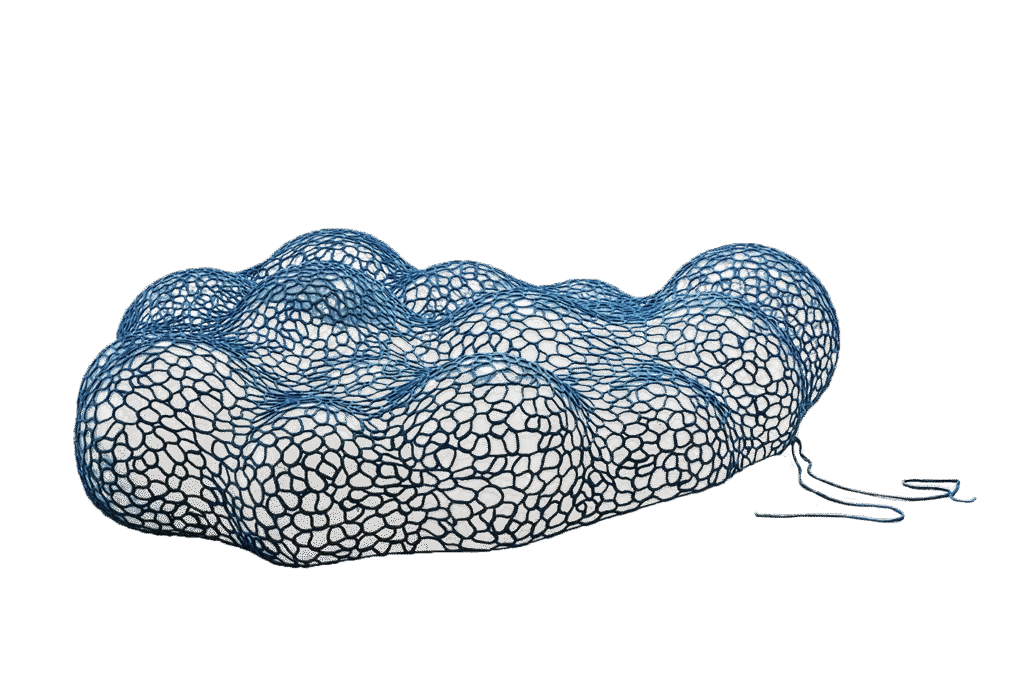
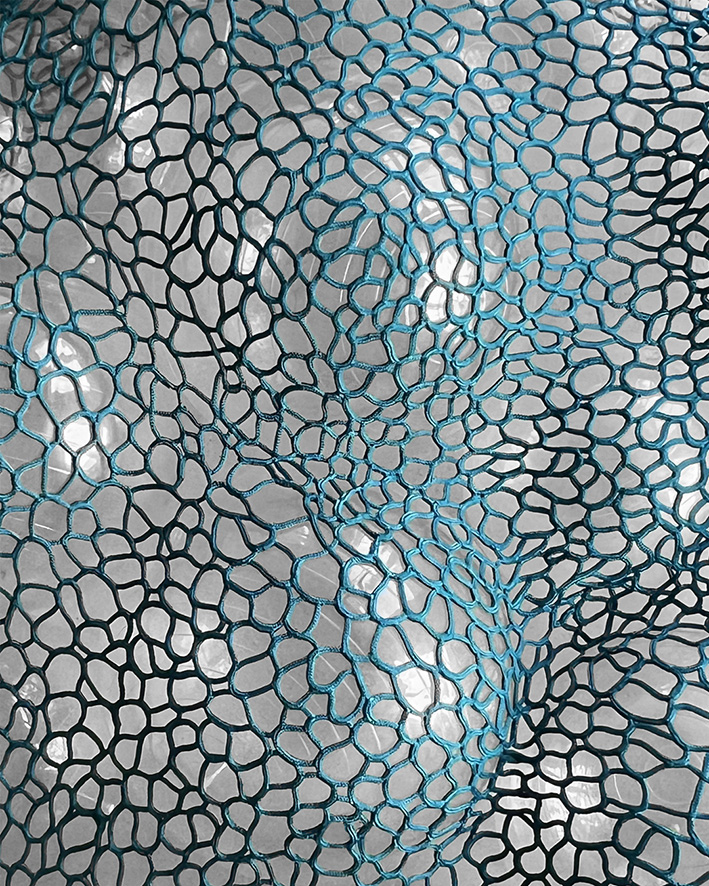
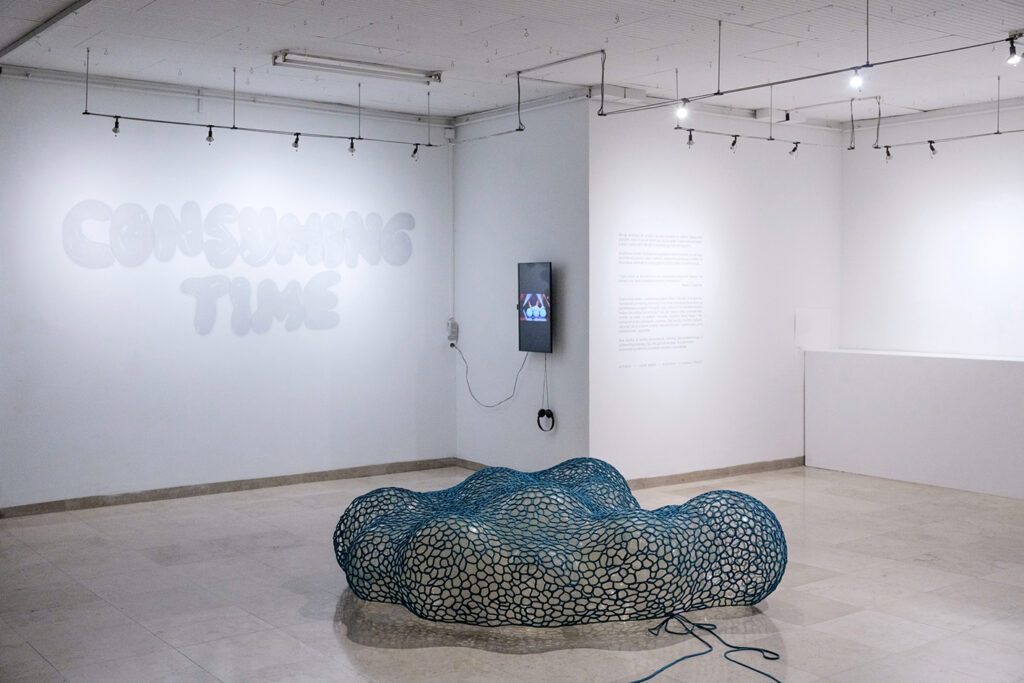
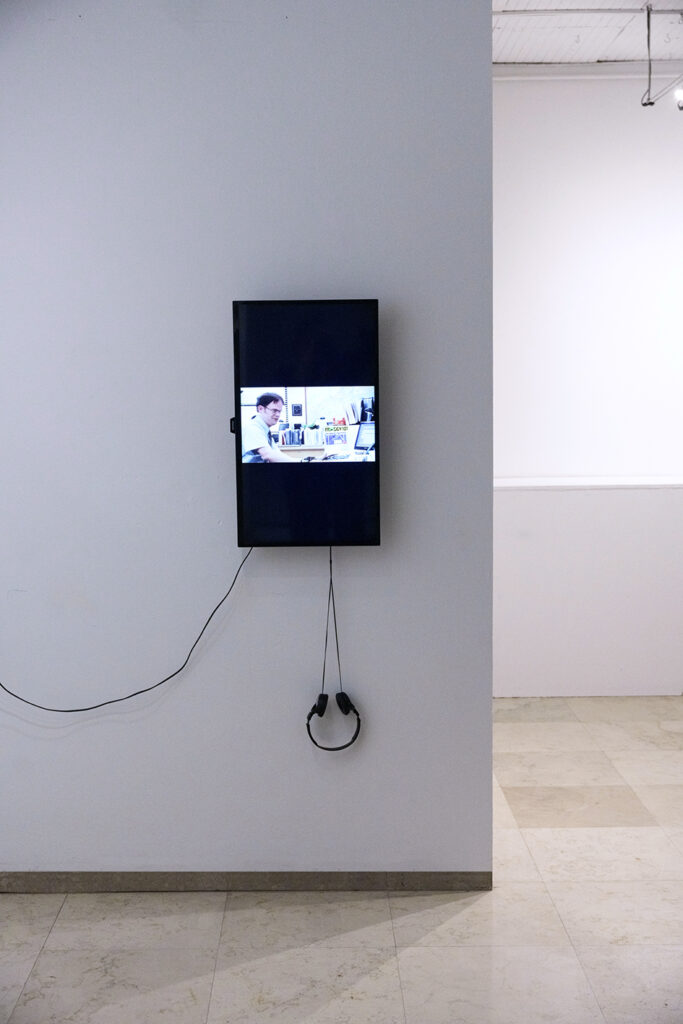
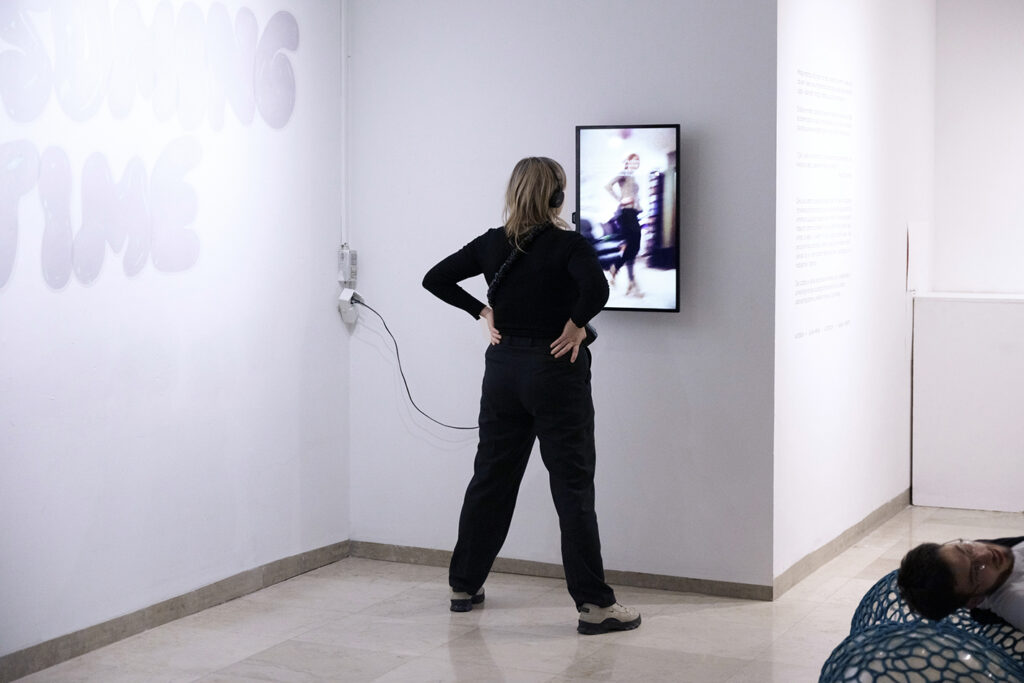
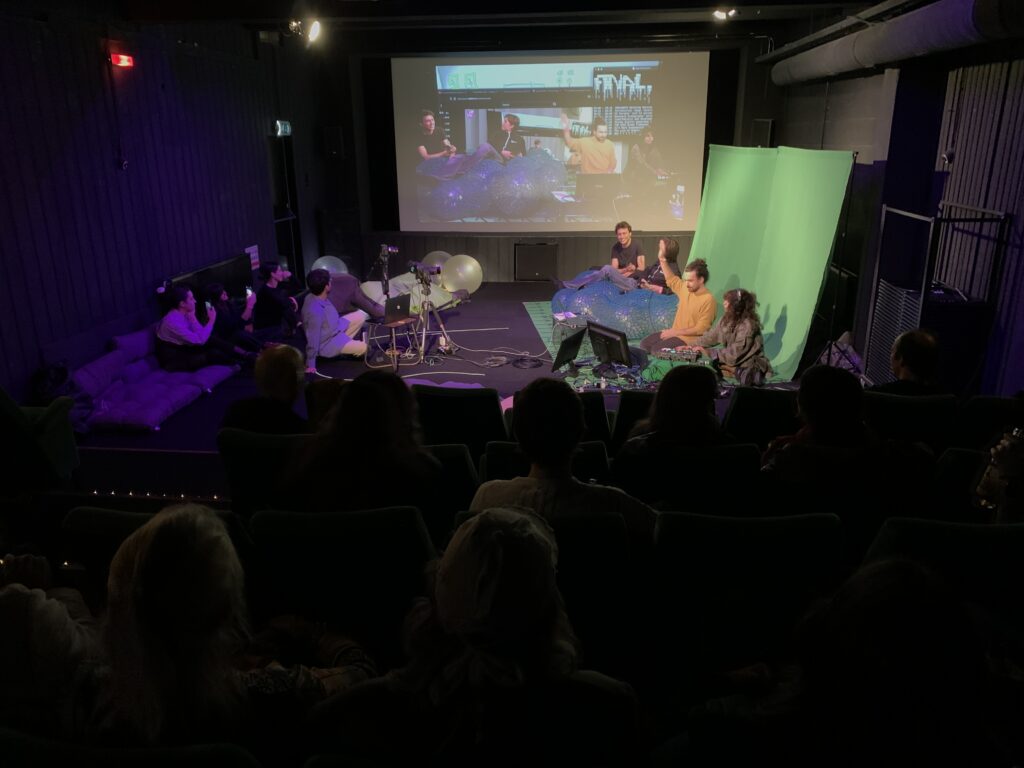
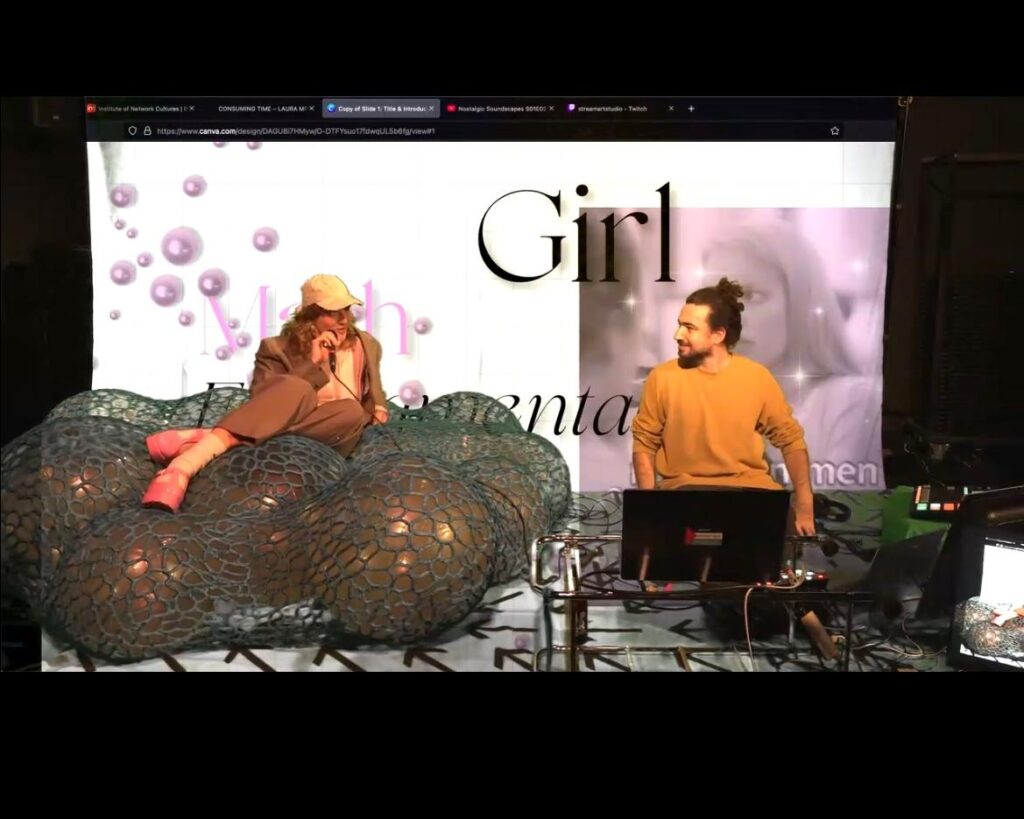
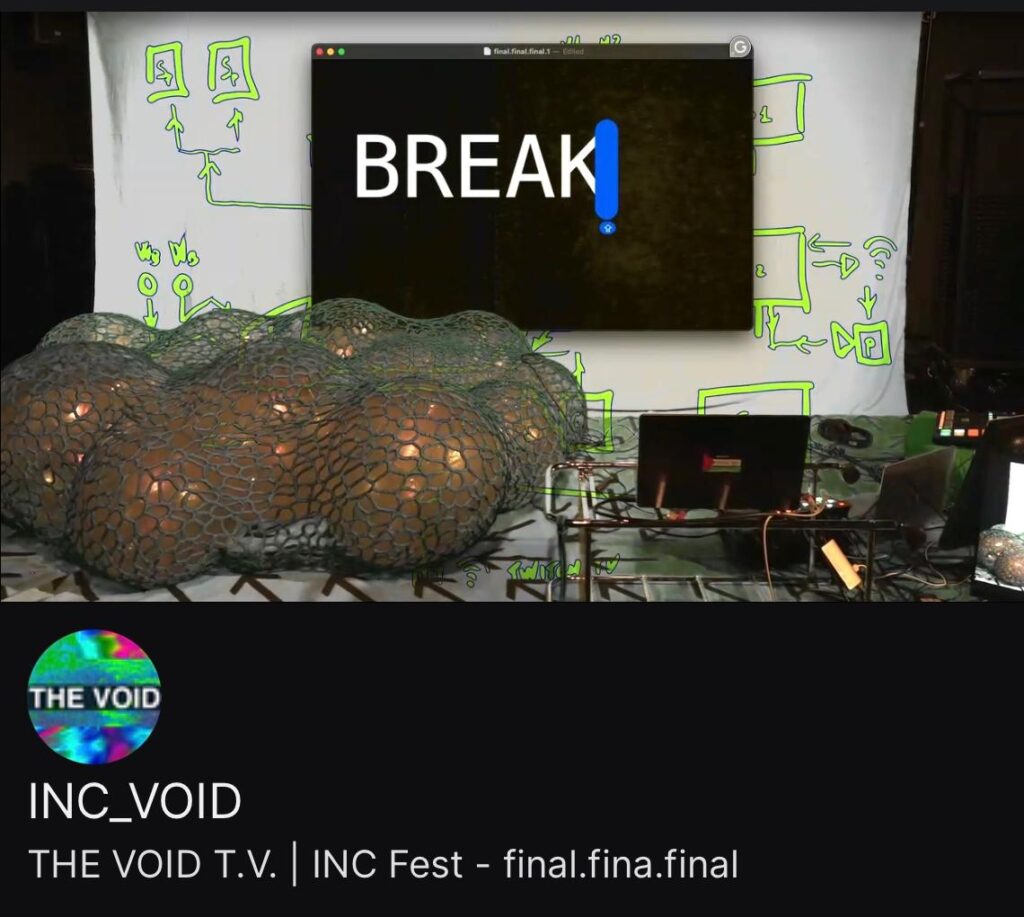
Consuming Time is a bed composed of 15 transparent fitness balls, trapped in a hand-woven rope net. The piece responds to the dissolution of boundaries between work and rest — a phenomenon accelerated by digital technologies such as smartphones and social media. These tools have made it increasingly difficult to distinguish between spaces for work and rest.
In late-stage capitalism, the bed occupies a paradoxical position. As Beatriz Colomina observes, it symbolizes a convergence of the entire world onto the smallest screen, turning the bed into a floating island in an endless sea of information. Once a symbol of intimacy and rest, it now functions as a hybrid zone of work, play, and surveillance.
Consuming Time seeks to challenge this transformation by redefining the bed as a site of critical reflection. It invites the body to negotiate pleasure and discomfort, work and leisure, within a form that resists conventional expectations of comfort. In doing so, the work shifts the narrative of rest: from an instrumentalized activity designed to enhance productivity to a valuable condition in its own right—a radical act in a culture obsessed with efficiency and output.
The net is woven using an intuitive rope-weaving technique, inspired by traditional net repairing practices historically carried out by women in fishing communities. Through slow, repetitive gestures, forms of labour often dismissed as domestic, secondary, or invisible become materially present. Time is traced through rope, gesture by gesture, allowing care, endurance, and attention to surface as central values.
Material: Inflatable Fitness Balls, Polypropylene Rope
Dimensions: 250 x 350 x 65 cm
Exhibitions: Consuming Time, Gallery Bernardo Bernardi, Zagreb, CRO (2023);
INC_Fest_final.final.final, OT301, Amsterdam, NL (2024);
Biannual Exhibition of Croatian Design 23/24, Lauba House, Zagreb, CRO (2025)
Year: 2023
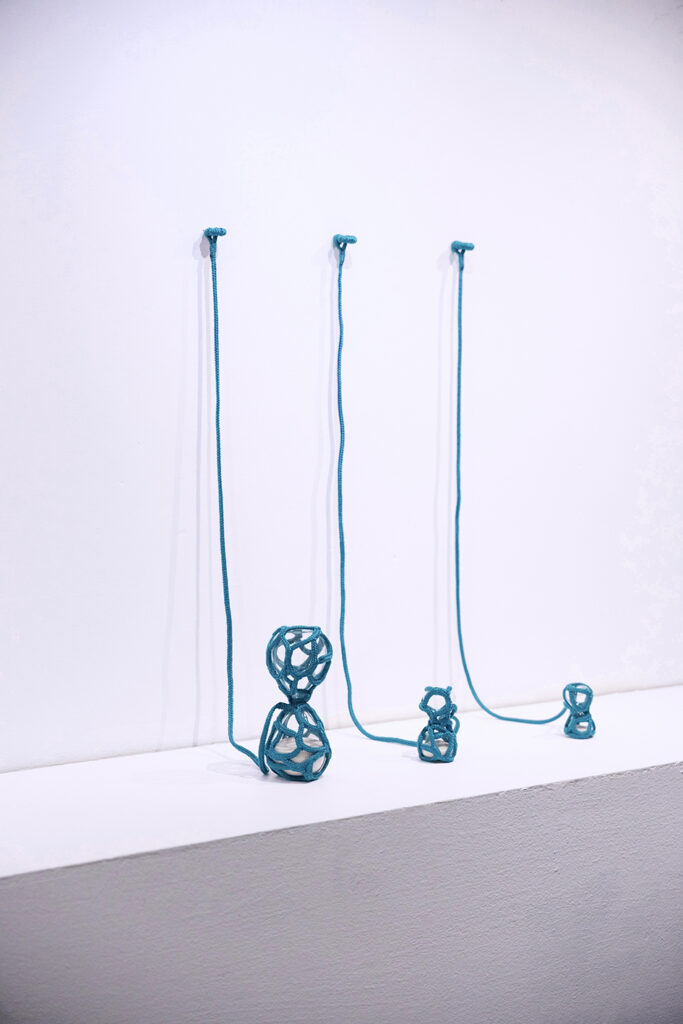
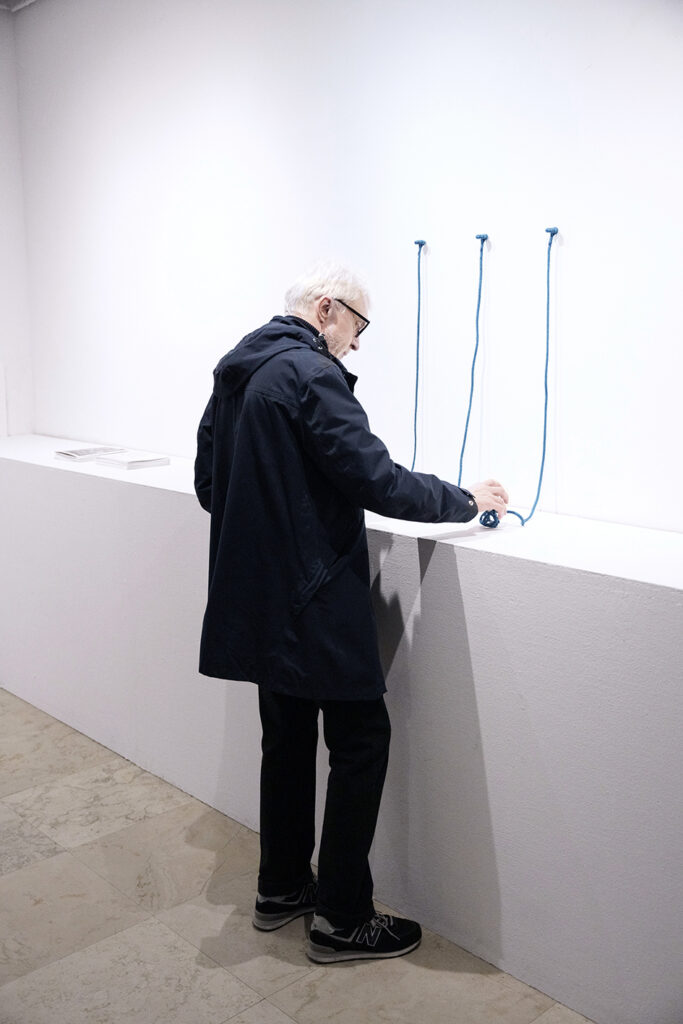
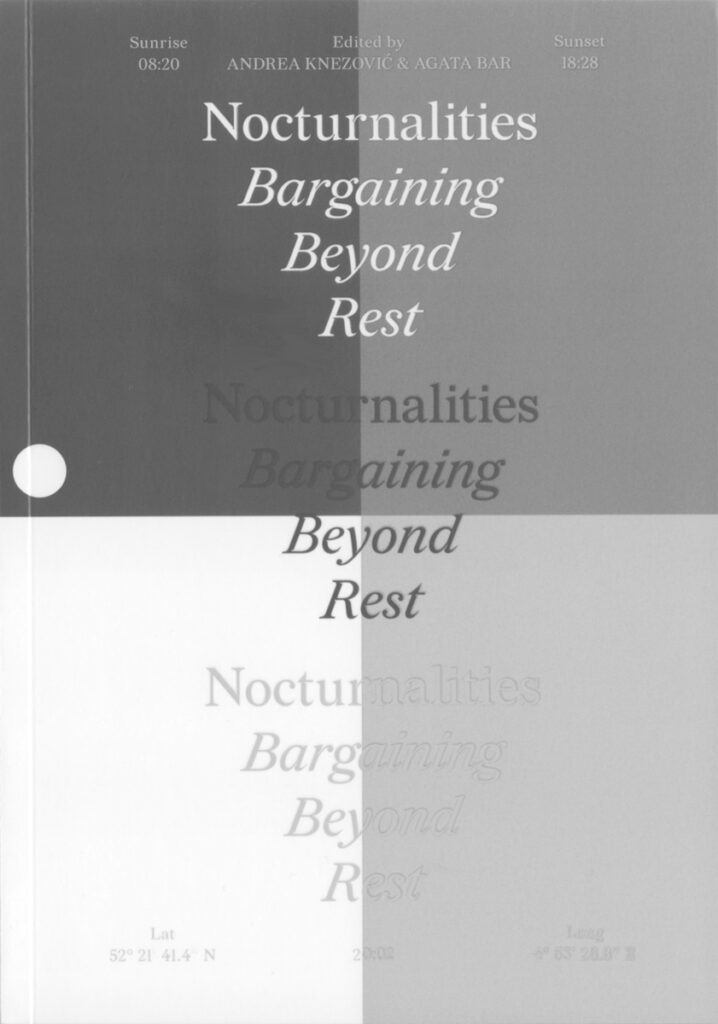
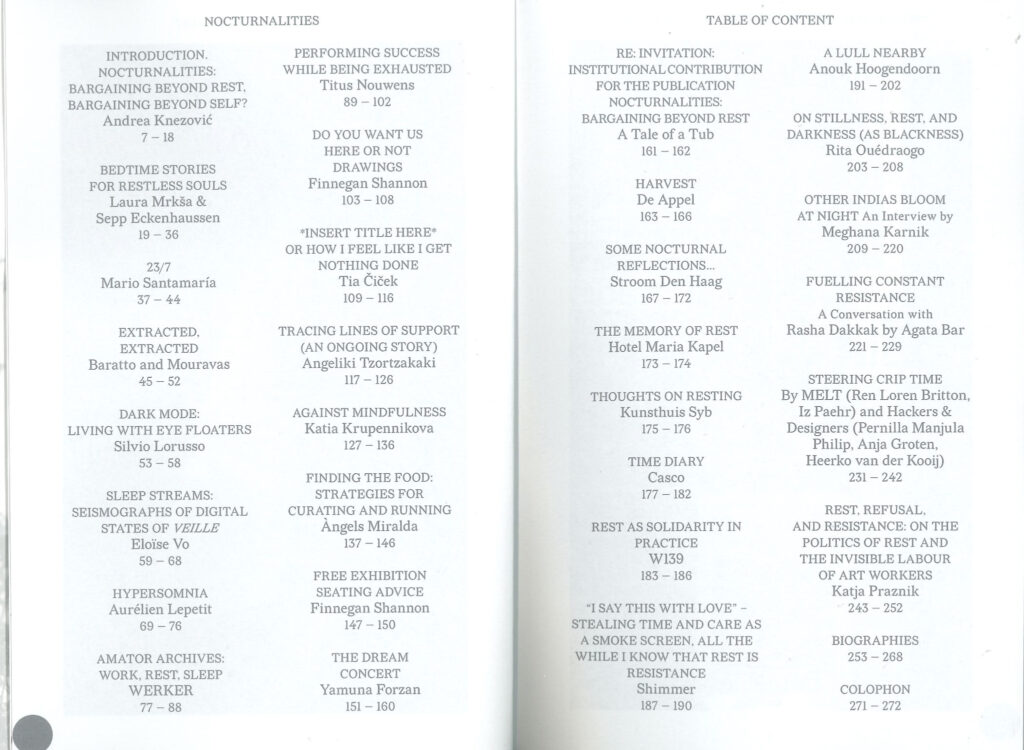
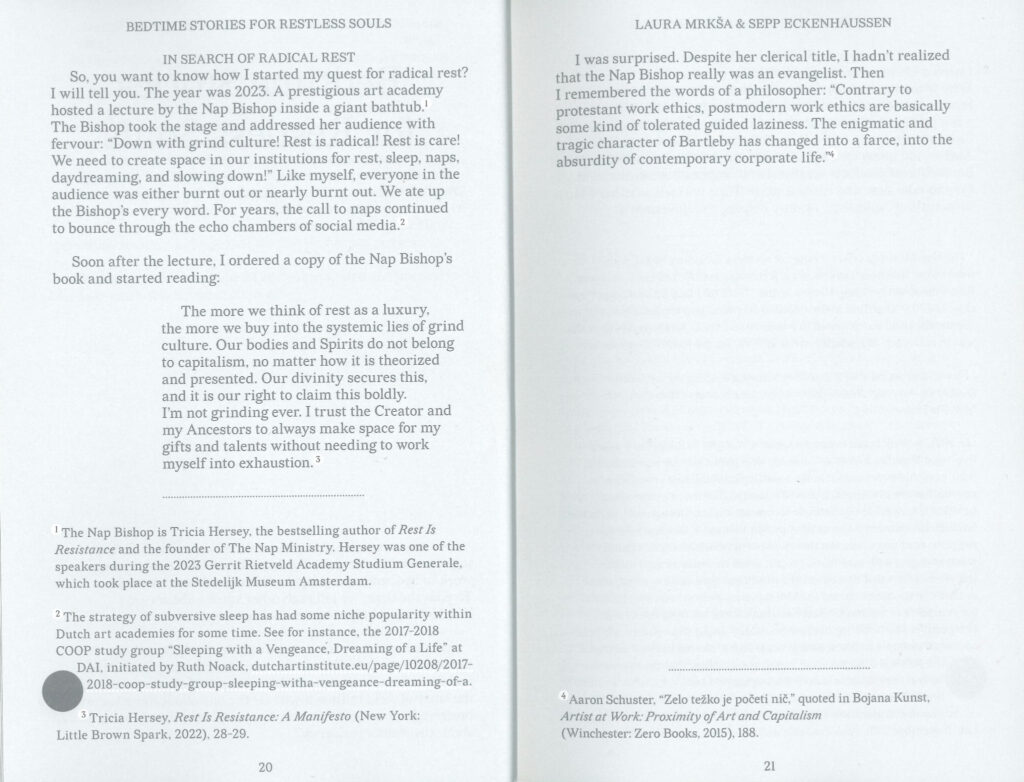
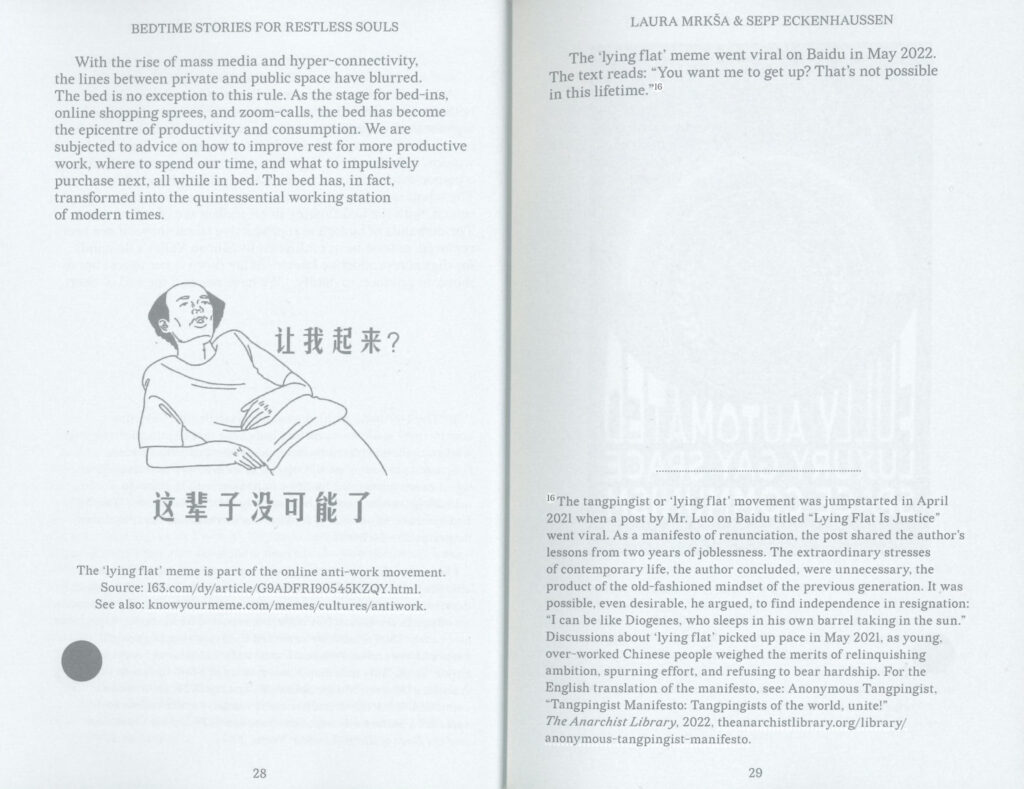
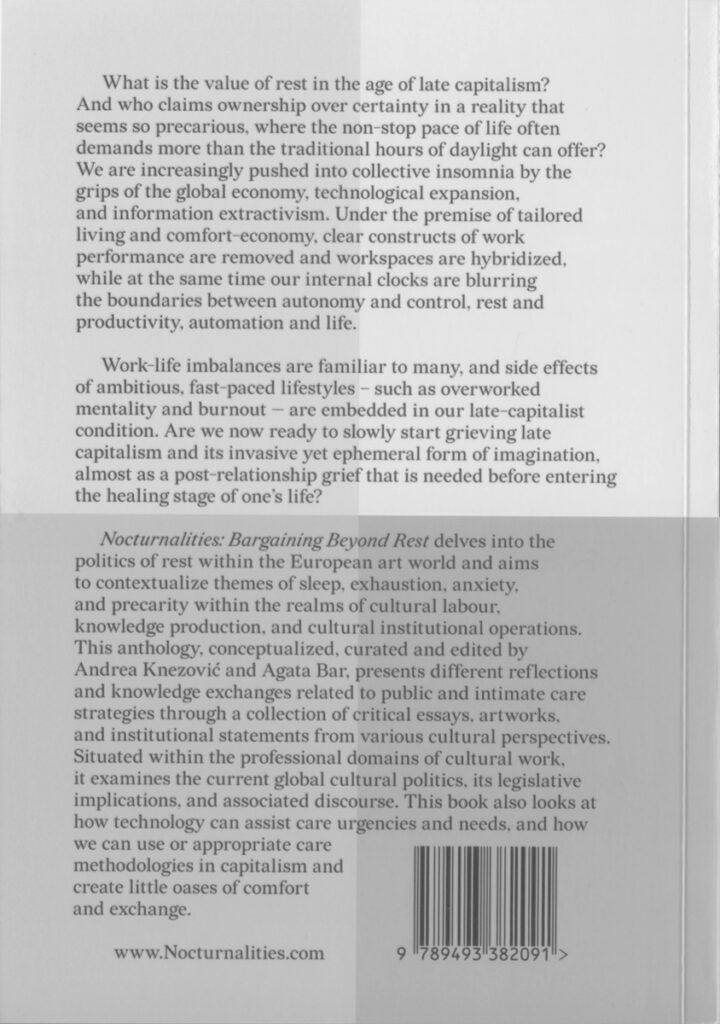
Bedtime Stories For Restless Souls
“Bedtime Stories for Restless Souls,” is a contribution to the publication Nocturnalities, Bargaining Beyond Rest, co-written with Sepp Eckenhaussen.
Abstract
We are two cultural workers in the Netherlands, living together and sharing our freelance lives. Often, we take our work to bed, and many nights, the stress keeps us awake. To pass the time, we tell each other stories about rest. We find that it helps to dream of rest together.
We know that we are not the only ones experiencing sleeplessness. Actually, you are one of us, aren’t you? Would you like a hit of our copium? It’s your pick! Do you want to hear the story of Aeio in Busytown? Or the one about the artist who preferred not to work? Or, maybe, you’re interested in our story about the Xanax residency?
Language: English
Title of host publication: Nocturnalities
Subtitle of host publication: Bargaining Beyond Rest
Editors: Andrea Knežović, Agata Bar
Publisher: Onomatopee
Release date: 06.01.2025.
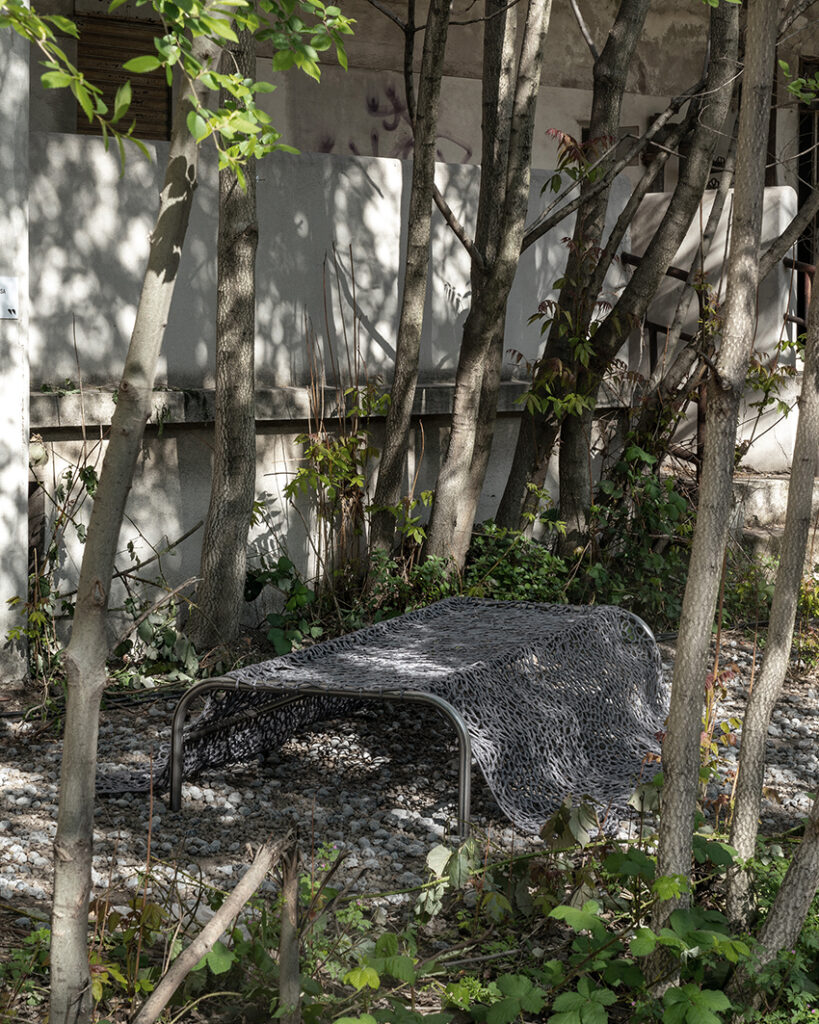
I Would Prefer Not To
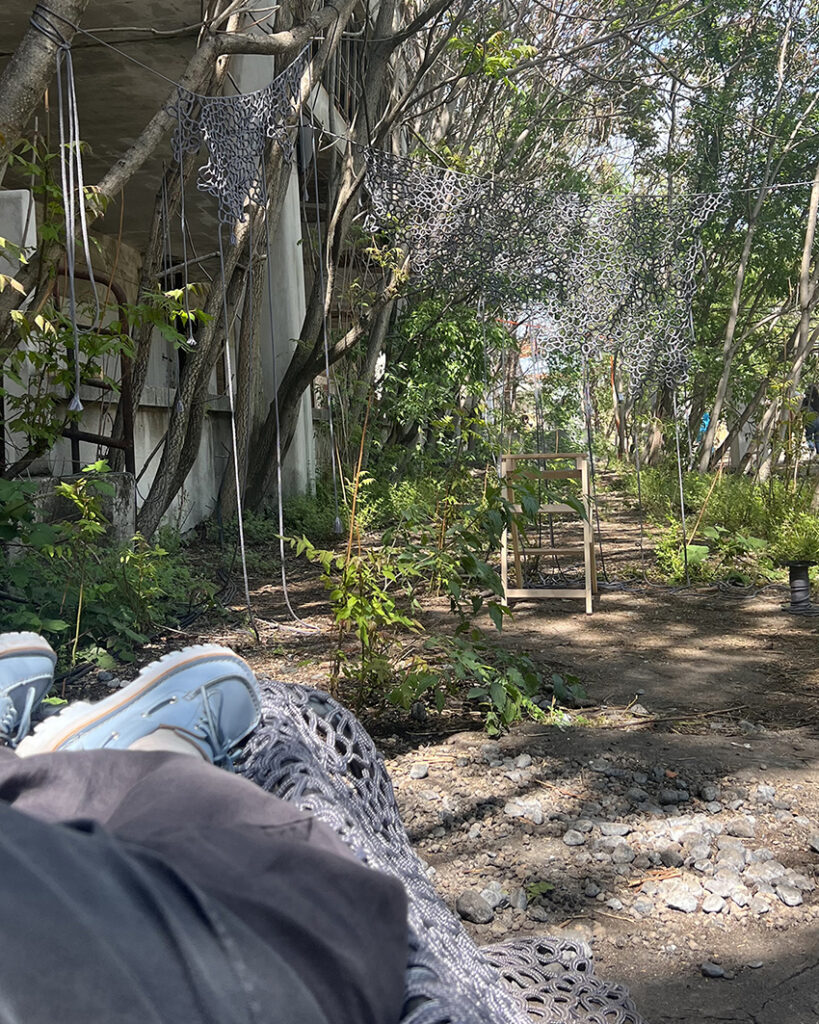
I Would Prefer Not To plays with the role of productivity and progress in the attention economy. We are told that our worth is tied to how much we can produce and how efficiently we can use our time. Yet, in the age of the attention economy, our time is often co-opted by the very technologies we rely on to be productive.
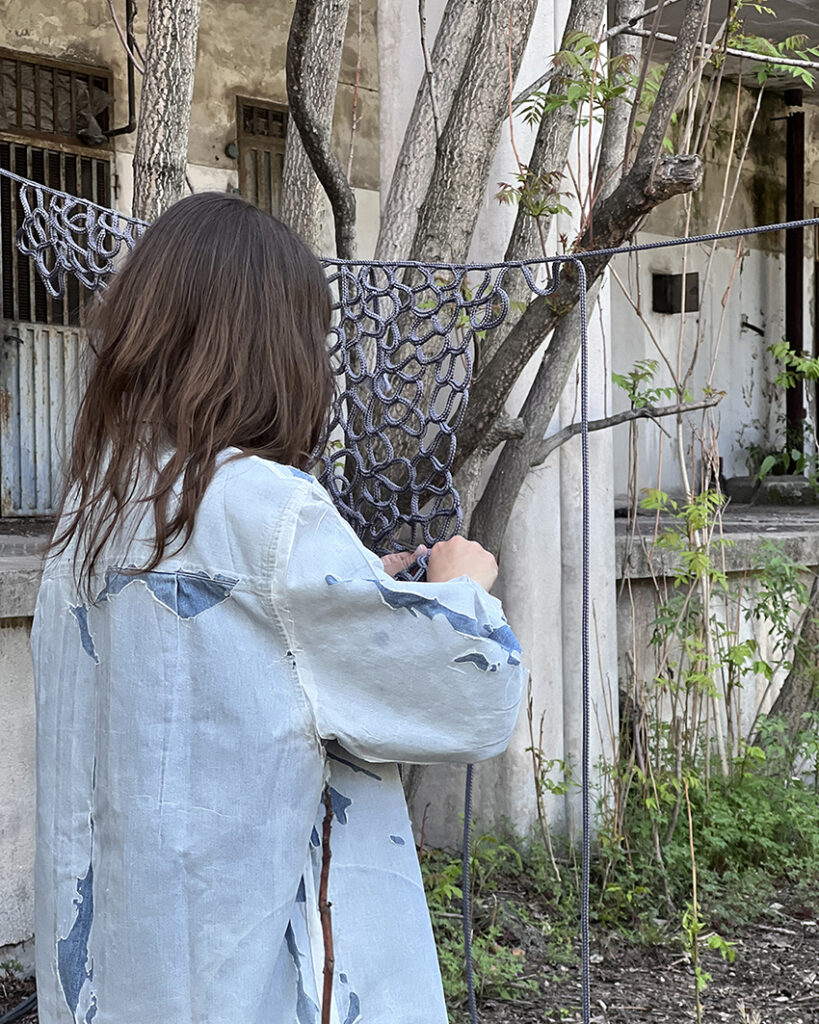
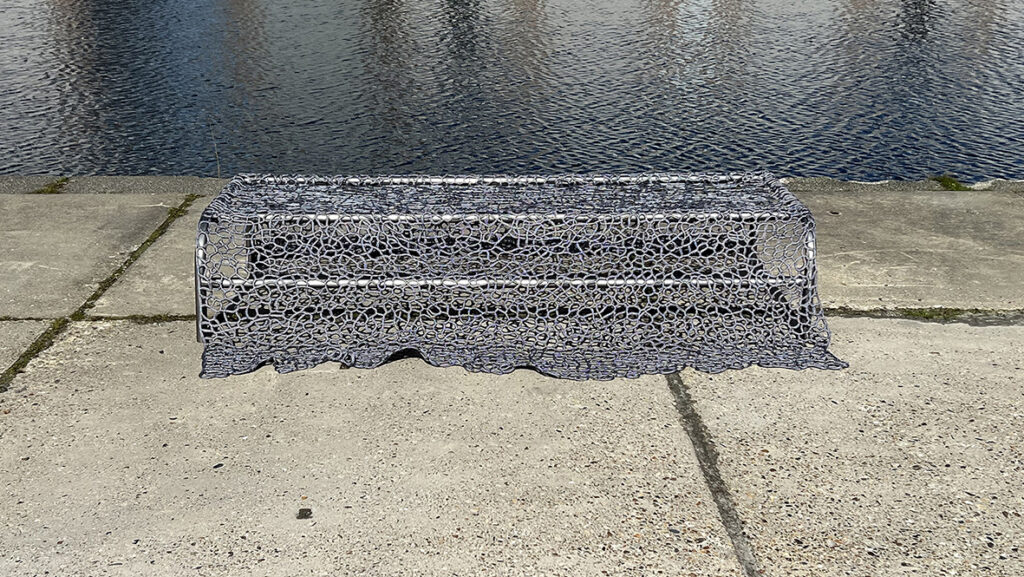
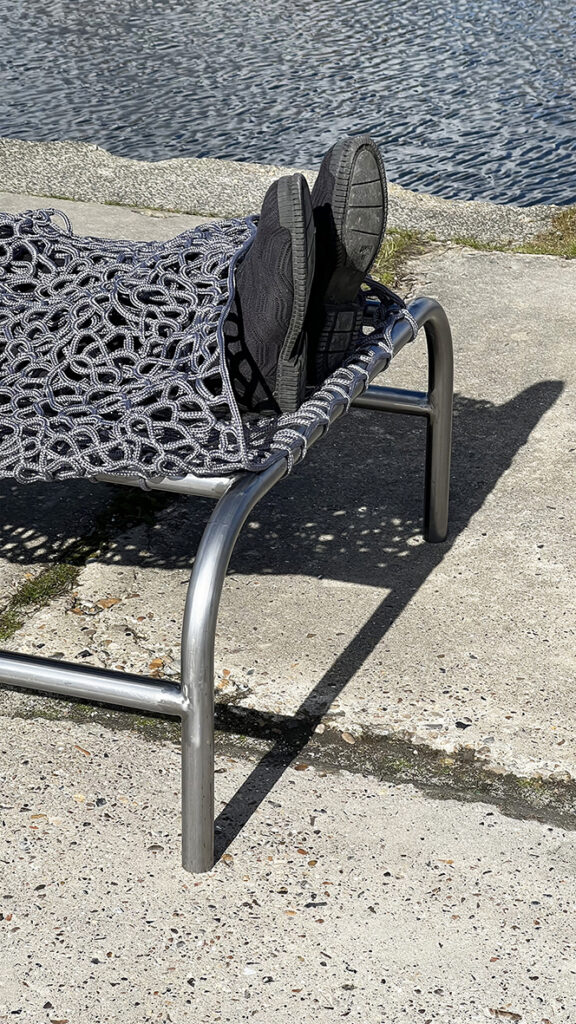
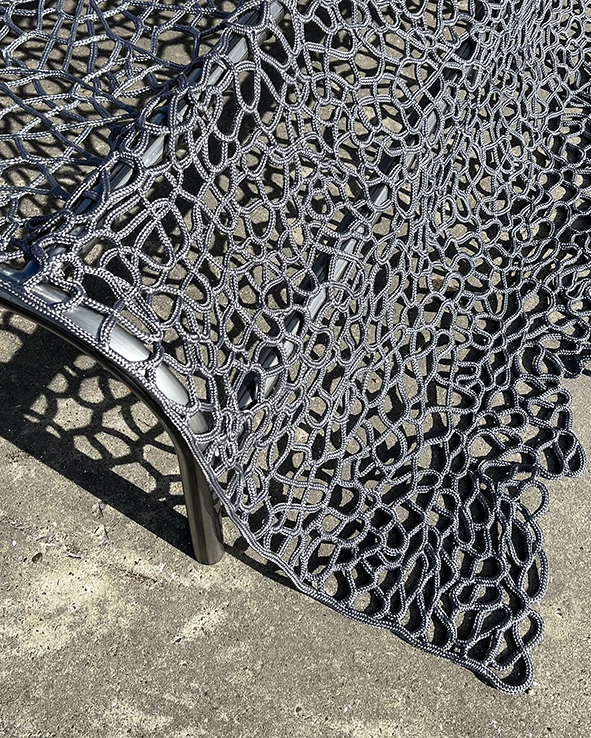
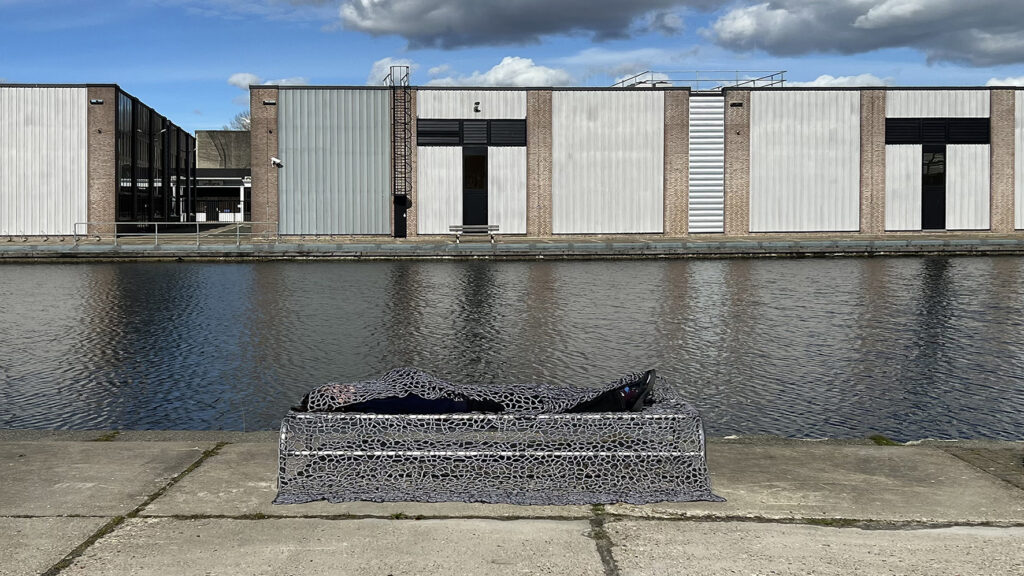
I Would Prefer Not To gives space for exploration of this theme in a form of a daybed made of a metal frame and hand-woven net. In a world where instant gratification is often the norm, the slow and deliberate process of weaving serves as a reminder to slow down and appreciate the journey. The weaving process of the net does not follow any predetermined patterns, valuing intuition over efficiency.
I Would Prefer Not To encourages users to lie down and cover themselves. The act of covering oneself in the daybed creates a cocoon-like environment that offers a sense of security and privacy, allowing us to rest, think and procrastinate. This kind of attention could shift our focus from external metrics to the internal growth that comes from wilful thought and action.
Material: Steel Tube, Polypropylene Rope
Dimensions 200x80x40 cm
Exhibition: Alcova, Milan Design Week, Milan, IT (2023)
Year: 2023

Comprehensive Blank
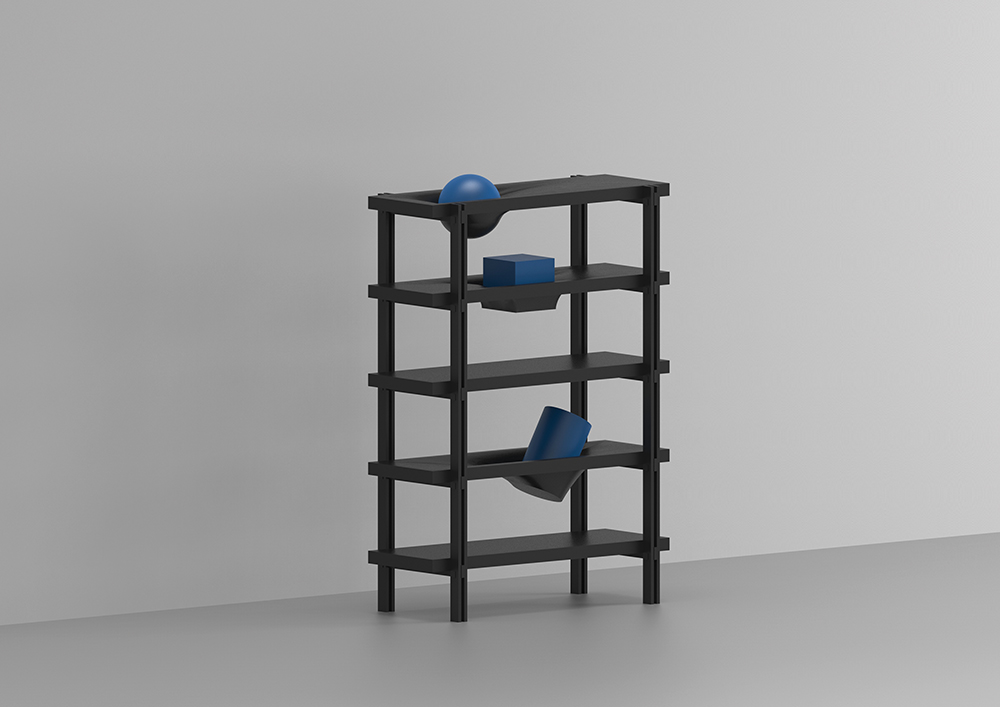
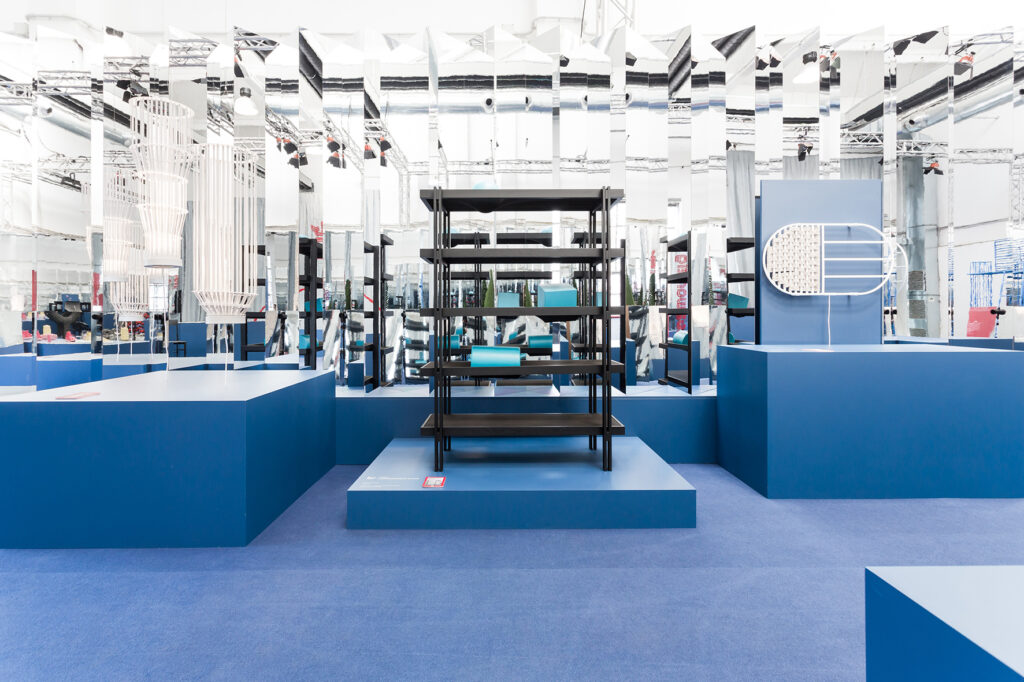
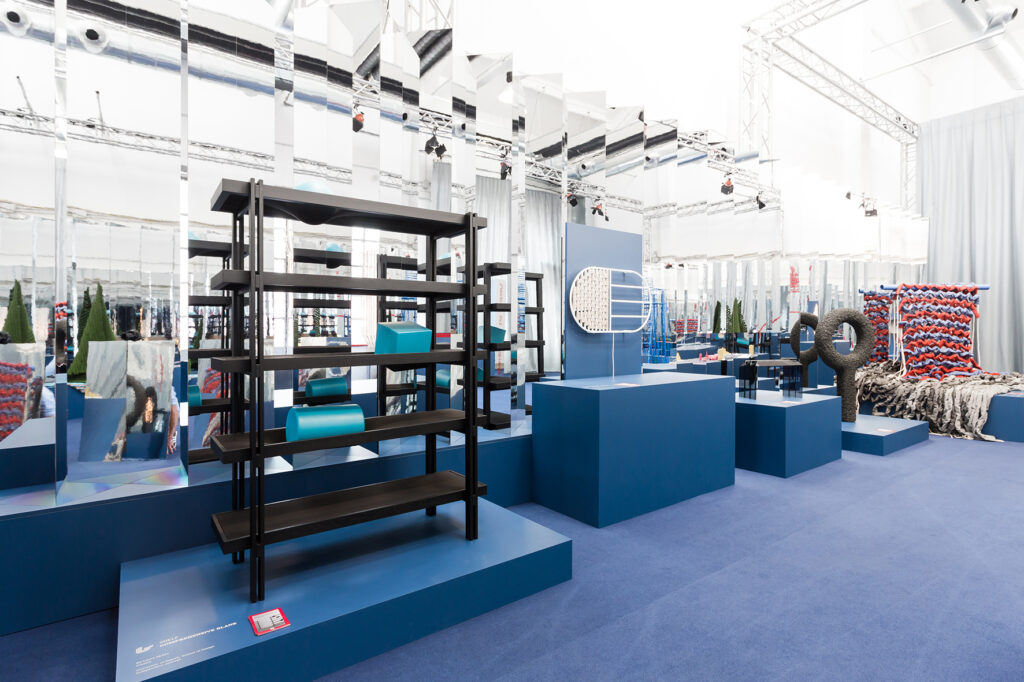
Comprehensive Blank is a sculptural shelf that examines the psychological and performative relationship between people and their possessions. It highlights how material objects are often used to construct identity and convey a sense of security, while subtly exposing the fiction embedded in acts of ownership and display.
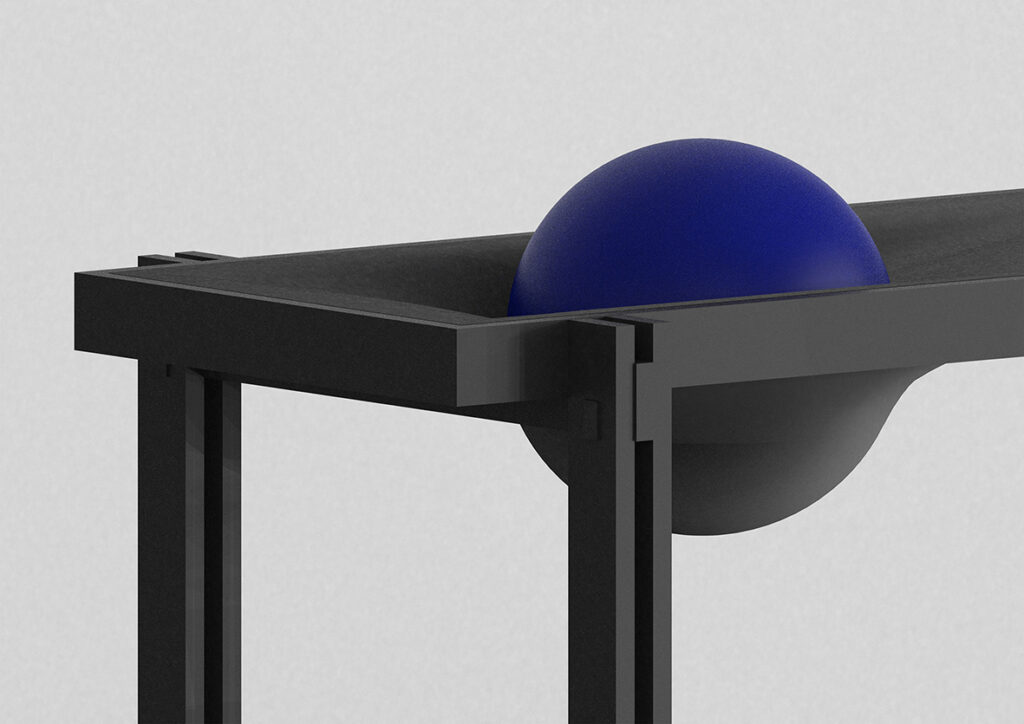
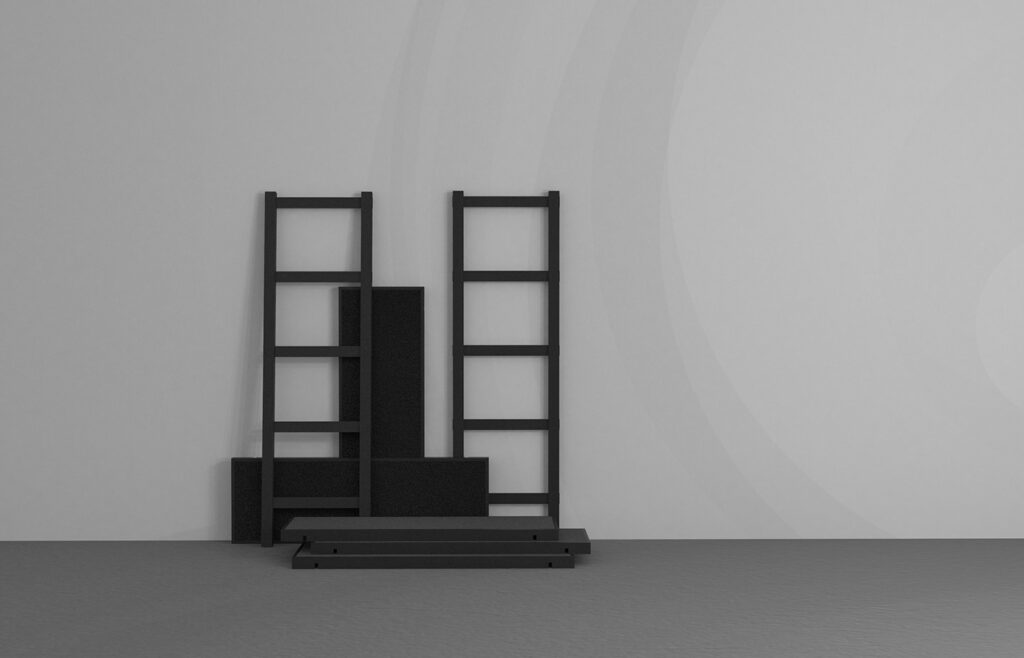
Designed as a mutable, neutral space, the shelf reflects the cyclical nature of life and the shifting narratives we assign to the things we buy. Using solid wood and archetypal construction principles, it forms a familiar architectural gesture. Yet, its elastic fabric surfaces distort under the weight of inserted possessions—allowing them to sink in, leaving only their silhouettes visible.
This visual disappearance becomes a quiet critique of consumerism: objects once selected for their promise of importance are reduced to shadows of their initial meaning. The piece invites curiosity, reflection, and play, prompting users to reconsider the emotional and cultural roles these items once held and the fleeting nature of material significance.
Material: Solid Wood (Oak), Elastic Textile
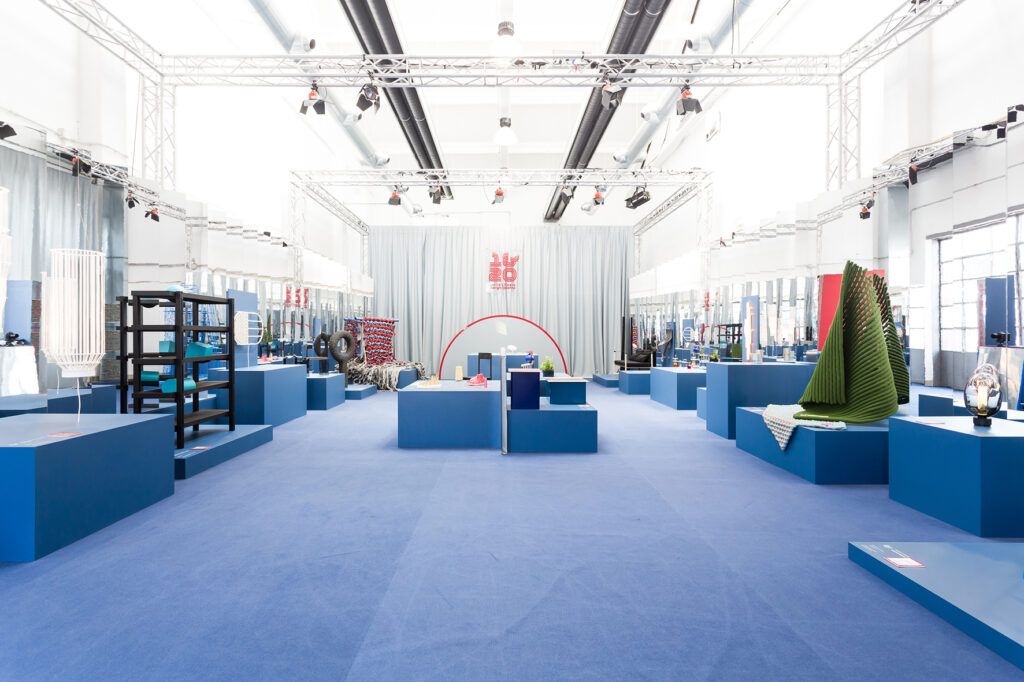
Exhibition: Ein&Zwanzig (One&Twenty), Milan Design Week, Milan, IT (2018);
Biennual Exhibition of Croatian Design 1718, Museum of Arts & Crafts, Zagreb, CRO (2018)
Year: 2018